Evaluating the Green Editable Text Effect Mockup for Modern Design Projects
In the fast-paced world of digital design, the ability to visualize concepts quickly without sacrificing quality is paramount. Designers, marketers, and content creators often find themselves weighing the benefits of creating assets from scratch versus utilizing high-quality pre-made resources. One such resource that has gained traction for its specific aesthetic and functional utility is the Green Editable Text Effect Mockup. This tool represents a specialized category of design assets that blends 3D typography with an eco-friendly or vibrant color palette, offering a streamlined workflow for professionals who need to produce polished visuals efficiently.
Understanding where this specific mockup fits into a broader design strategy requires a look at what it offers, how it compares to alternative methods, and the specific scenarios where it provides the most value. By evaluating its features, limitations, and practical applications, you can determine if this resource aligns with your current project requirements.
Defining the Asset: More Than Just a Color Overlay
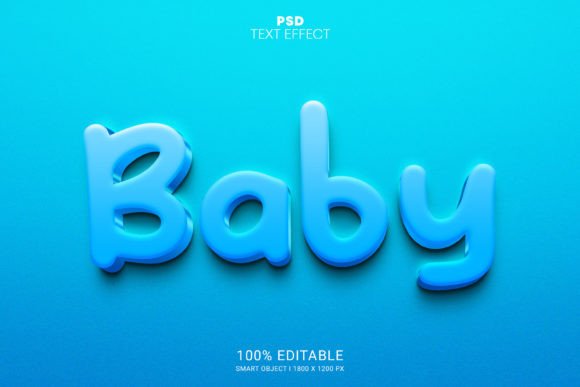
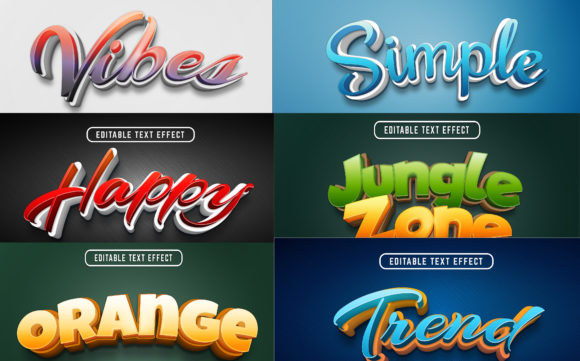
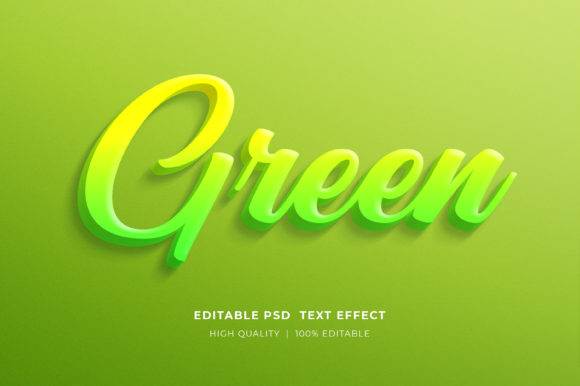
At its core, the Green Editable Text Effect Mockup is a sophisticated Adobe Photoshop file designed to simulate three-dimensional text with a distinct green hue. However, labeling it merely as a "green text generator" understates its utility. These files typically utilize advanced Smart Object technology, which allows users to replace placeholder text with their own while automatically inheriting complex lighting, shadow, texture, and depth effects.
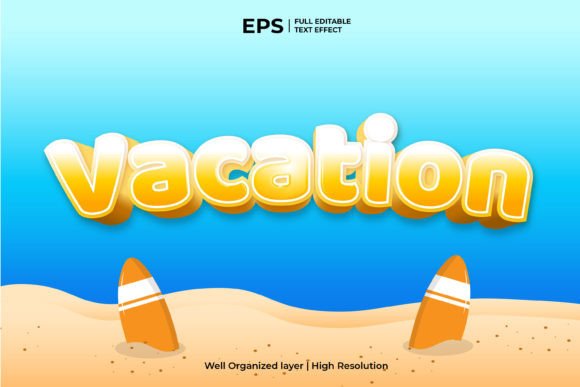
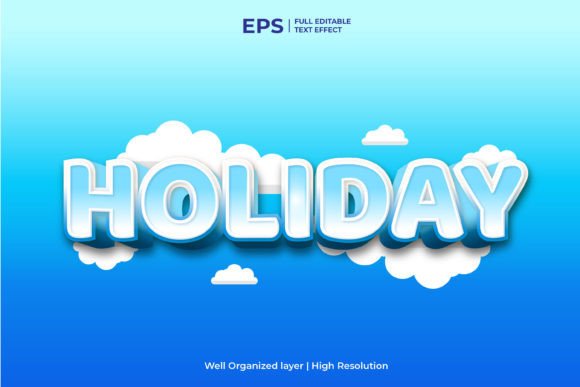
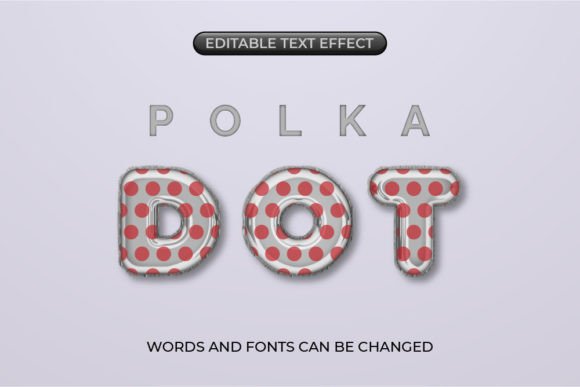
What makes this specific style distinct is the intersection of trend and function. Green typography often conveys themes of sustainability, growth, finance, or freshness. When combined with a 3D editable style, it creates a modern, tactile feel that flat design cannot achieve. The "editable" aspect is the critical differentiator here. Unlike static images or pre-rendered videos, these PSD (Photoshop Document) files retain the ability to be modified. You are not locked into a specific phrase; instead, you have a template where the structural integrity of the 3D effect remains intact regardless of the characters you input.
Workflow Efficiency: Custom Creation vs. Mockup Utilization
When deciding whether to use a Green Editable Text Effect Mockup, the primary comparison is usually between using the mockup and building the effect manually in Photoshop or a 3D modeling program like Blender or Cinema 4D.
Manual Creation: Building a 3D text effect from scratch offers unlimited freedom. You can control every polygon, light source, and material property. However, this approach is time-intensive. It requires a deep understanding of lighting physics, rendering settings, and software-specific tools. For a designer working on a tight deadline for a social media banner or a quick client presentation, spending hours tweaking render settings may not be a viable trade-off.
Mockup Utilization: In contrast, the mockup approach prioritizes speed and consistency. The technical heavy lifting—such as setting up the 3D environment, applying the green material shaders, and configuring the global illumination—has already been done by the creator of the file. The user's role shifts from "builder" to "customizer." The process typically involves opening the PSD, locating the Smart Object layer, double-clicking the icon, typing the desired text, and saving. The main document updates instantly. This efficiency allows designers to iterate through multiple copy options in minutes rather than hours.
Technical Features and Usability Factors
To make an informed decision about integrating this tool into your workflow, it is essential to understand the technical specifications that define a high-quality mockup. Not all downloadable assets are created equal, and the utility of a Green Editable Text Effect Mockup depends heavily on its underlying structure.
- Smart Object Integration: The hallmark of a usable text mockup is the reliance on Smart Objects. This feature ensures that when you edit the text, the perspective, warping, and effects are applied non-destructively. A well-organized file will clearly label these layers, often instructing users to "Double Click on the smart object" to open a new tab where the Type Tool can be used.
- Layer Organization: Professional-grade files are meticulously organized. Layers should be grouped logically (e.g., "Background," "Text Effects," "Shadows," "Overlays"). Poorly organized files can make it difficult to adjust specific elements, such as changing the background color or tweaking the intensity of the green glow without affecting the text itself.
- Resolution and Color Mode: For versatility, the file should be provided in RGB color mode at a high resolution. This ensures the asset looks crisp on digital screens (websites, social media) and retains enough detail for print applications like flyers or posters if the resolution is sufficiently high (typically 300 DPI).
- Font Compatibility: A common limitation in text mockups is font dependency. High-quality packages often include a help file with links to the specific fonts used. If the font is not installed on your system, the mockup may default to a standard typeface, breaking the intended aesthetic. Knowing whether you need to purchase or download a specific font is a crucial pre-download consideration.
Practical Applications Across Industries
The versatility of a 3D green text effect extends beyond simple graphic design exercises. Its application varies significantly depending on the industry and the medium. Here is how this specific asset type serves different professional needs:
Digital Marketing and Social Media
In the realm of Facebook timelines, Instagram stories, and web banners, grabbing attention within the first few seconds is vital. The depth and vibrancy of a 3D green text effect can make a headline pop against a busy feed. Because these platforms often require frequent content updates, the ability to quickly swap text for daily promotions or announcements makes the mockup an invaluable time-saver.
Branding and Logo Presentations
When presenting a logo concept to a client, context is everything. A flat logo on a white background rarely sells the vision as effectively as a mocked-up version. Using this effect for logo presentations can demonstrate how a brand identity might look on signage, merchandise, or digital headers. The green hue is particularly effective for brands in the health, wellness, environmental, or financial sectors.
Print-on-Demand (POD) and Merchandise
For entrepreneurs utilizing Print-on-Demand services for T-shirt designs or KDP (Kindle Direct Publishing) book covers, visual appeal drives sales. A 3D text effect can add a premium feel to a book cover title or a graphic tee. While POD printing has limitations regarding complex gradients, a high-resolution mockup allows the designer to visualize the final product accurately before uploading files to the manufacturer.
Limitations and Decision Factors
While the Green Editable Text Effect Mockup offers significant advantages, it is not a universal solution for every design challenge. Recognizing its limitations is just as important as understanding its strengths.
Customization Constraints: The most significant trade-off is the lack of total control. You are bound by the lighting setup and camera angle predefined in the file. If your project requires a specific side-lighting scenario or a unique camera perspective that differs from the mockup, you may find the asset restrictive. In such cases, manual 3D creation or a more flexible scene file might be necessary.
Software Dependency: These files require Adobe Photoshop. They are not compatible with free alternatives like GIMP or browser-based tools like Canva unless those tools have specific, often limited, Smart Object support. Furthermore, users must be comfortable with the extraction process. Since these files are distributed in compressed ZIP formats, users need to know how to "Extract Here" to access the usable PSD files. Failure to extract the folder correctly often leads to broken links and missing assets.
Color Specificity: While many mockups allow for color adjustments, a file specifically marketed as a "Green" effect may have complex material settings tied to that specific hue. Changing the text to a completely different color family (like neon pink or metallic gold) might require advanced knowledge of blending modes and adjustment layers to look natural, potentially negating the time-saving benefit.
Making the Right Choice for Your Project
Deciding whether to incorporate this mockup into your toolkit comes down to a balance of time, budget, and creative control. If you are a freelancer managing multiple clients and need to produce high-quality visualizations for social media campaigns, flyers, or website elements rapidly, the Green Editable Text Effect Mockup is an excellent investment. It bridges the gap between amateur flat design and professional 3D rendering.
However, if your project demands a highly unique artistic direction that defies standard lighting models, or if you do not have access to Adobe Photoshop, this may not be the optimal path. In those instances, exploring 3D software tutorials or hiring a specialized 3D artist might yield better long-term results.
Ultimately, resources like these are about empowering creators to focus on the message rather than the mechanics of rendering. By leveraging well-organized, smart-object-driven templates, designers can elevate their output, ensuring that their ideas are presented with the depth and professionalism they deserve. Whether for a book cover, a marketing banner, or a brand presentation, the right mockup serves as a catalyst for creativity, provided it is chosen with a clear understanding of its capabilities and constraints.