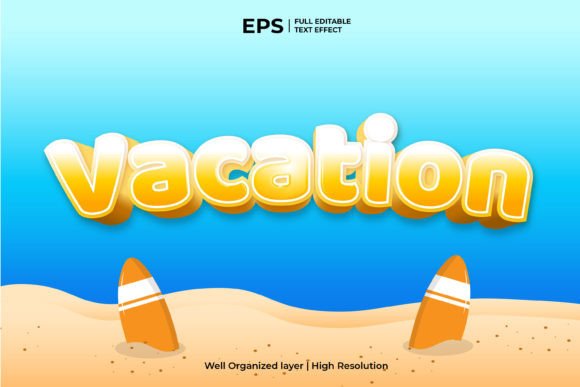
Evaluating the 3d Vacation Summer Editable Text Effect for Professional Design Projects
When developing visual assets for seasonal campaigns, particularly those centered around travel and leisure, the typography often serves as the primary hook. A 3d Vacation Summer Editable Text Effect represents a specific category of design resource aimed at streamlining this process. Unlike creating three-dimensional lettering from scratch, which requires a deep understanding of lighting, extrusion, and perspective within vector software, these pre-built effects offer a foundational style that designers can adapt. The core value proposition lies in the balance between high-end aesthetic appeal and workflow efficiency. For professionals operating within the Adobe Illustrator ecosystem, understanding the nuances of these editable EPS files is crucial for determining whether they fit a specific project's requirements or if a custom approach is necessary.
Defining the Asset: Structure and Editability
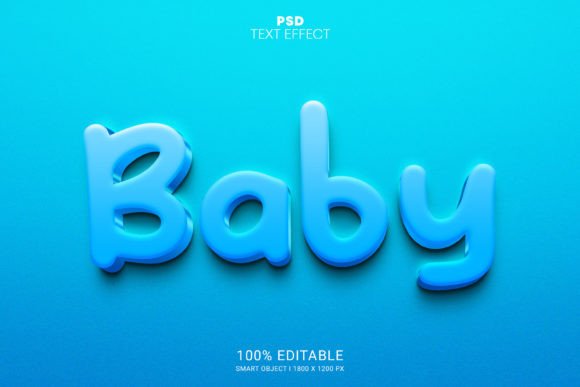
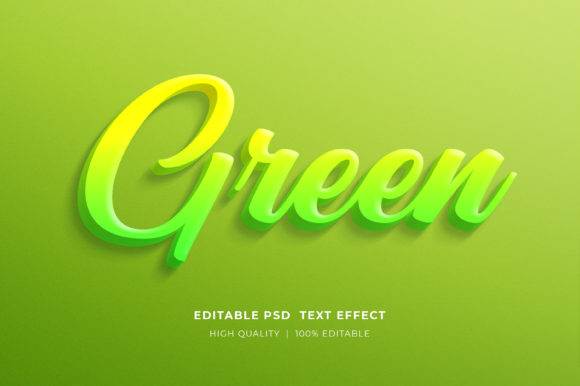
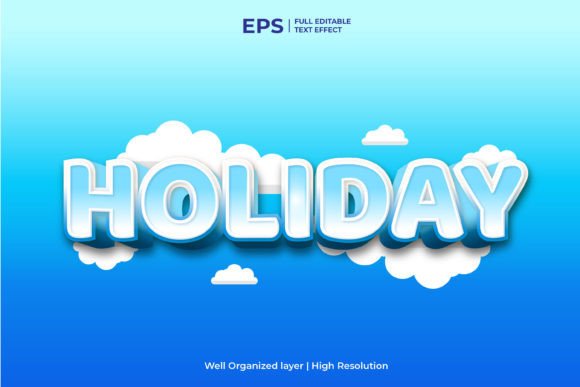
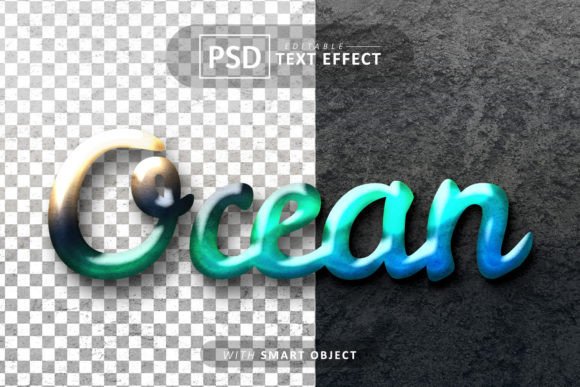
At its technical core, a 3d Vacation Summer Editable Text Effect distributed as an Adobe Illustrator EPS CC file is more than just a static image. It is a structured collection of vector paths, gradients, and blending modes designed to mimic depth and summer-themed textures. The "editable" aspect is the most critical differentiator here. In many lower-quality design resources, text effects are rasterized or expanded, meaning the letters are converted into unchangeable shapes. Once you open such a file, changing the word "Summer" to "Holiday" would require manually redrawing the effect on new letters.
In contrast, a high-quality version of this effect utilizes live type or graphic styles that remain linked to the font data. This allows the user to simply select the text tool, delete the placeholder content, and type their own message while the complex 3D styling—shadows, highlights, bevels, and color gradients—updates automatically. This functionality is essential for designers who need to produce multiple variations of a headline for A/B testing in digital ads or for creating cohesive branding across different mediums where the specific wording changes but the visual identity must remain consistent.
Comparison with Custom Creation and Raster Alternatives
To make an informed decision about utilizing a 3d Vacation Summer Editable Text Effect, it is helpful to compare it against the two primary alternatives: building the effect manually from scratch and using raster-based templates (like Photoshop styles).
Manual Vector Creation: Building a 3D text effect entirely from scratch in Illustrator offers unlimited creative control. You can dictate every anchor point, adjust the extrusion depth pixel by pixel, and create custom lighting scenarios that no preset can match. However, the trade-off is time. Achieving a polished, professional look involving complex gradients and realistic shadows can take hours for a single headline. For a freelancer with tight deadlines or an agency needing to churn out seasonal social media graphics, the time investment often outweighs the benefit of total customization. The pre-made effect reduces this timeline from hours to minutes, though it may limit some granular adjustments to the underlying geometry.
Raster-Based Templates: Many designers turn to Photoshop for 3D text due to its robust rendering engines. While Photoshop excels at photorealistic textures, the output is resolution-dependent. If a client suddenly requests a billboard-sized print or a large format banner, a raster effect may pixelate or lose clarity upon scaling. The Adobe Illustrator EPS CC file format used in these vacation text effects ensures scalability. Because the effect is built on vector mathematics, it can be enlarged to any dimension without loss of quality. This makes the vector-based text effect a superior choice for projects that require cross-media usage, such as a campaign running simultaneously on mobile screens and large outdoor signage.
Practical Applications and Best-Fit Scenarios
The utility of a Vacation text effect extends beyond simple holiday greetings. Its distinct style—often characterized by bright, warm color palettes, bubbly or bold typography, and simulated depth—makes it highly effective for specific industries. Travel agencies, resort marketers, and event planners frequently rely on this aesthetic to evoke feelings of warmth and escape.
Consider a scenario where a marketing team is launching a "Last Minute Summer Deals" email campaign. They need five different subject line variations to test open rates. Using a fully editable text effect, the designer can rapidly swap out "Deals," "Offers," "Getaways," "Trips," and "Sales" while maintaining identical lighting and texture. This consistency reinforces brand recognition even as the copy changes. Similarly, for merchandise design, such as t-shirts or tote bags sold at beach shops, the scalable nature of the vector file ensures that the print remains crisp regardless of the garment size.
However, there are limitations to consider. These effects are often styled with a specific "vibe" in mind—usually playful, energetic, and casual. If a project requires a minimalist, corporate, or serious tone, a pre-styled 3D summer effect might clash with the overall brand voice. In such cases, the designer might need to significantly deconstruct the file, removing gradients and simplifying the geometry, which could negate the time-saving benefits. Therefore, evaluating the stylistic alignment before purchase or download is a vital step in the workflow.
Technical Considerations and Font Licensing
A common point of confusion for users acquiring these resources involves font licensing. Most 3d Vacation Summer Editable Text Effect packages include the source file with the text already applied, but the actual font file is rarely included in the ZIP archive. The preview designs typically utilize popular commercial or free fonts that serve as placeholders.
When you open the EPS file and attempt to edit the text, your system may substitute the original font with a default one if you do not have the specific typeface installed. This does not break the effect; the 3D styling will still apply to the new font. However, to replicate the exact look of the preview image, the user must identify and license the font separately. This is a standard industry practice to avoid copyright infringement, but it is a factor that buyers must account for. Professionals should verify if the chosen font is available within their existing library or budget before committing to a design direction based solely on the preview.
Decision Factors: When to Choose This Resource
Deciding whether to integrate a 3d Vacation Summer Editable Text Effect into your toolkit comes down to a calculation of time, budget, and technical requirements.
- Choose this option if: You need high-quality, scalable vector graphics quickly. You are working on seasonal campaigns where speed-to-market is critical. You require the flexibility to change copy frequently without redesigning the asset. Your final output needs to range from small web icons to large format prints.
- Consider alternatives if: Your project demands a hyper-customized 3D environment that defies standard lighting rules. You are working exclusively in a raster-based workflow and have no need for vector scalability. The specific font required for the look is prohibitively expensive or unavailable, and you lack the skills to adapt the effect to a different typeface effectively.
Ultimately, these editable effects serve as powerful accelerators in the design process. They democratize access to complex 3D styling, allowing designers who may not specialize in advanced vector modeling to produce professional-grade results. By understanding the file structure, respecting font licensing, and recognizing the stylistic boundaries, creatives can leverage these tools to enhance their productivity while maintaining high visual standards. The key is to view them not as a replacement for skill, but as a strategic component in a broader, efficient design workflow.