Master the 3D 1987 Retro Text Effect Style
The late 1980s were a defining era for visual culture, characterized by bold colors, geometric shapes, and a specific type of digital optimism that still resonates today. At the heart of this aesthetic is the 3d 1987 Text Effect in Retro Style, a design element that captures the neon-soaked, grid-lined spirit of the decade. Whether you are designing a concert poster, a YouTube thumbnail, or a brand logo, understanding how to leverage this specific look can instantly elevate your project. This style is not just about nostalgia; it is about utilizing a proven visual language that commands attention and communicates energy.
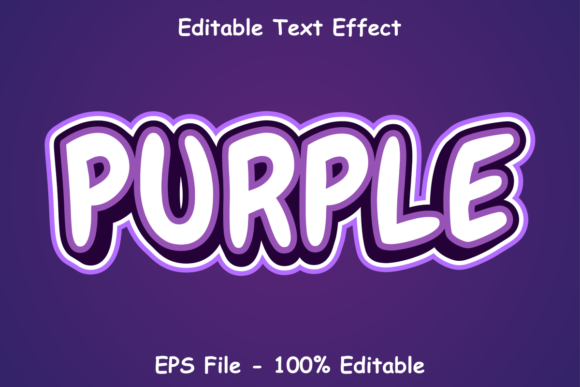
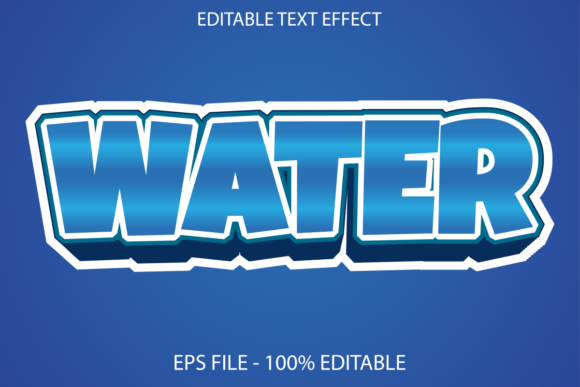
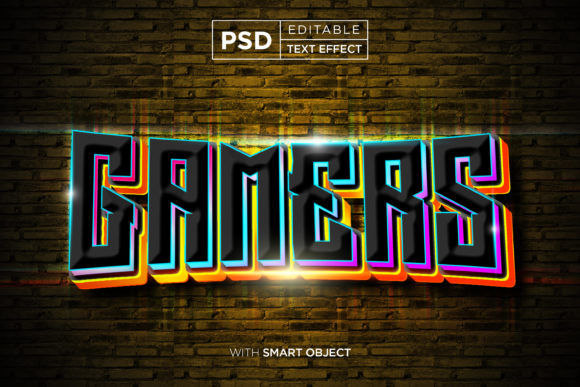
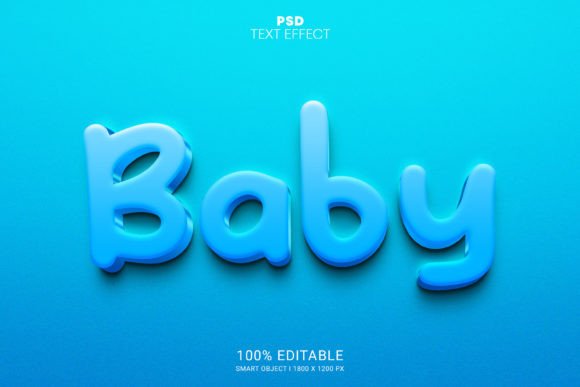
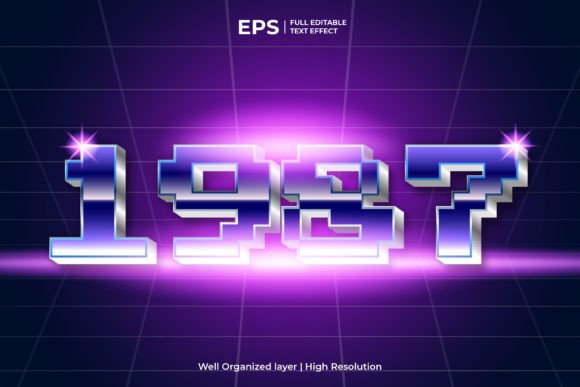
When we talk about the 1987 Retro Text Effect design, we are referring to a specific set of typographic characteristics. These include extruded letterforms that create depth, vibrant gradients often shifting from hot pink to electric blue or sunset orange, and sharp, clean lines that mimic early vector graphics. The effect creates an illusion of three-dimensionality that feels both digital and tangible. For modern creators, accessing this style used to require hours of manual manipulation in design software. However, with specialized assets like the Adobe Illustrator EPS CC file format available today, the barrier to entry has lowered significantly, allowing anyone to apply professional-grade retro styling to their work.
Why This Aesthetic Matters Across Different Fields
The appeal of the 3d 1987 Text Effect in Retro Style varies greatly depending on who is using it and why. It is not a one-size-fits-all solution, but rather a versatile tool that serves different purposes for different people.
For marketing professionals and small business owners, the primary value lies in differentiation. In a digital landscape saturated with flat design and minimalist typography, a bold retro headline stops the scroll. It signals confidence and creativity. A local coffee shop launching a "Synthwave Saturday" event or a tech startup wanting to highlight its innovative roots might use this effect to create a memorable visual identity. For them, the priority is commercial value and presentation. They need a design that looks expensive and polished without requiring a full-time graphic designer on staff.
On the other hand, freelancers and content creators often prioritize speed and flexibility. When working under tight deadlines for clients or managing a personal blog, the ability to quickly swap out text while maintaining high-quality styling is crucial. An editable asset means they can type "Summer Sale" or "New Episode" and have a finished graphic in seconds. The fact that the text is 100% editable allows them to iterate rapidly, testing different phrases to see what resonates best with their audience before finalizing the deliverable.
Bridging the Gap Between Beginners and Professionals
One of the most significant advantages of using a dedicated Adobe Illustrator EPS CC source file for this effect is how it accommodates varying skill levels. The learning curve for creating complex 3D extrusions and gradient meshes from scratch in Illustrator can be steep. It requires a deep understanding of lighting, perspective, and color theory.
For beginners and hobbyists, these pre-made effects act as an educational bridge. By deconstructing the layers of an EPS file, a novice can learn how professional designers achieve certain looks. They can see which anchor points control the depth, how the gradients are applied to simulate light sources, and how shadows are managed. This offers immense learning value. Instead of staring at a blank canvas, they have a functional template to experiment with. They can change the font, adjust the colors, and immediately see the results, building confidence in their vector editing skills.
Conversely, experienced designers and publishers appreciate these tools for their efficiency and reliability. Even experts do not always need to reinvent the wheel. When a project calls for a specific 80s vibe, starting with a robust, scalable base allows them to focus on the broader composition and layout rather than getting bogged down in the technicalities of building the text effect itself. For them, the quality of the vector paths and the scalability of the effect are paramount. Since the file is vector-based, it can be scaled up for a billboard or down for a business card without any loss of resolution, ensuring the final output is crisp in any context.
Practical Applications and Use Cases
To truly understand the utility of the 3d 1987 Text Effect in Retro Style, it helps to look at concrete examples of how it can be deployed across various projects.
- Event Promotion: Imagine a music festival celebrating 80s hits. Using this text effect for the main stage names instantly sets the tone. The neon gradients and 3D depth evoke the era of arcade games and synth-pop, creating an immediate emotional connection with the target demographic.
- Social Media Graphics: Influencers and bloggers can use these editable texts to create consistent branding for their video thumbnails. The bold nature of the 1987 style ensures readability even on small mobile screens, driving higher click-through rates.
- Merchandise Design: Entrepreneurs selling print-on-demand t-shirts or stickers can utilize the scalable text effect to create eye-catching slogans. Because the file is high-resolution and vector-based, the prints will remain sharp regardless of the garment size.
- Educational Materials: Educators creating presentations on the history of technology or pop culture can use these graphics to make their slides more engaging. It adds a layer of visual interest that helps retain student attention during lectures about the late 20th century.
Evaluating the Right Tools for Your Workflow
When deciding whether to incorporate this specific retro style into your workflow, consider your priorities regarding ease of use versus customization. The beauty of the Adobe Illustrator EPS CC file format included in these packs is that it strikes a balance between the two. It is very easy to edit font and text, meaning you don't need to be a typography expert to get great results. Simply select the text layer, type your message, and the effect updates automatically.
However, it is important to note that while the structure is editable, the font used for preview purposes only may not be included in the download. This is a standard practice in design resources to respect intellectual property rights. Users should be prepared to substitute the preview font with one they have licensed or one that is free for commercial use. This step actually encourages creativity, as swapping the font can drastically change the personality of the 1987 effect—from a sporty, athletic look to a sleek, futuristic vibe.
Furthermore, the inclusion of a Preview design in the ZIP file allows you to visualize the potential before you even open the software. This helps in planning your project layout and color scheme ahead of time. For those concerned about long-term usefulness, vector-based retro effects are timeless. Unlike raster images that pixelate or trends that fade quickly, the core principles of good 3D typography remain relevant. Once you have a library of these editable effects, you have a reusable asset that can serve multiple campaigns over years.
Ultimately, the 3d 1987 Text Effect in Retro Style is more than just a trendy filter. It is a functional design resource that empowers creators to produce high-impact visuals efficiently. Whether you are a seasoned art director looking to speed up your production pipeline or a small business owner trying to make your brand stand out, mastering this effect provides a competitive edge. By leveraging the flexibility of editable EPS files, you ensure that your projects are not only visually striking but also technically sound and adaptable to any medium. The result is a professional finish that honors the past while firmly establishing your presence in the present.