Evaluating the 3D Layered Mandala SVG Cut File for Paper Crafting Projects
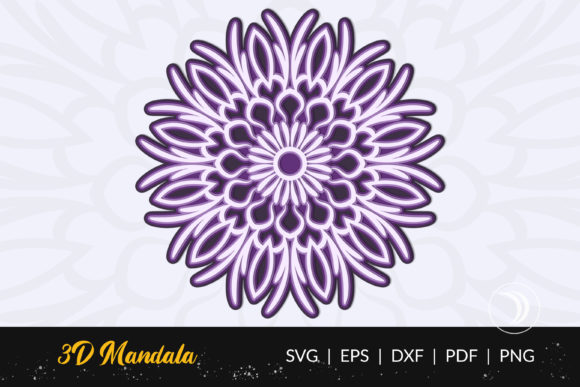
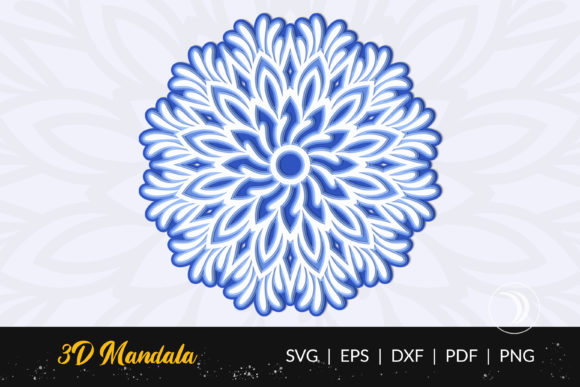
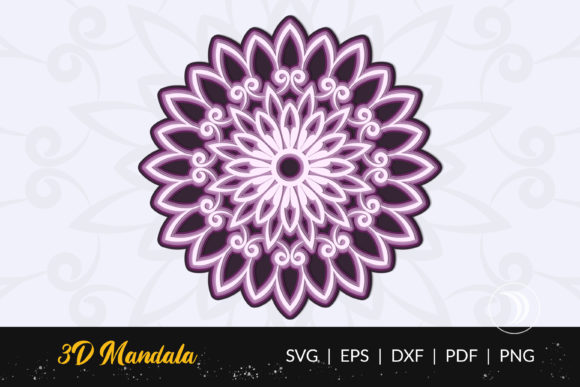
The 3D Layered Mandala SVG Cut File represents a specific category of digital design assets tailored for modern crafting enthusiasts. Unlike traditional flat vector graphics, this file type is engineered to create depth and dimension through the physical stacking of multiple distinct layers. The core concept involves taking a complex mandala pattern and deconstructing it into separate components—typically five layers in total—that can be cut from various materials and assembled vertically. This approach transforms a two-dimensional image into a tangible, shadow-box-style artwork. For individuals researching digital assets for use with electronic cutting machines, understanding the structure, compatibility, and practical application of these files is essential before making a purchase or beginning a project.
Understanding the Structure and Compatibility
At its technical foundation, a 3D Layered Mandala SVG Cut File is not a single image but a collection of coordinated vectors. The standard package usually includes a compressed Zip file containing multiple formats to ensure broad compatibility across different hardware and software ecosystems. The primary format, SVG (Scalable Vector Graphics), is the industry standard for web-based cutting software like Cricut Design Space and Silhouette Studio. These files allow for infinite scaling without loss of quality, which is critical when adjusting the mandala to fit specific frame sizes or card bases.
Beyond SVG, comprehensive packages often include EPS files for professional graphic design software such as Adobe Illustrator or CorelDRAW, and DXF files, which are frequently required for older versions of cutting machine software or specific industrial plotters. Additionally, the inclusion of PDF and PNG files offers versatility for users who may not own a cutting machine. The PDF format allows for direct printing on standard home printers, enabling a "print-and-cut" workflow or simple paper layering, while high-resolution PNGs can be used for digital mockups or sublimation projects where vector data is not required. The availability of both consolidated files (all layers in one) and individual layer files provides flexibility; users can choose to cut the entire design at once or manage each tier separately for precise material allocation.
Reasons for Interest and Practical Benefits
Crafters and designers are often drawn to the 3D Layered Mandala SVG Cut File due to its ability to elevate simple materials into sophisticated decor. The primary benefit is the creation of a dimensional look that flat printing cannot achieve. By stacking the five included layers, often separated by foam adhesive pads or thin strips of cardstock, the design casts natural shadows that highlight the intricacy of the mandala patterns. This effect is particularly popular in the creation of greeting cards, wall art, and scrapbook embellishments where texture adds perceived value and visual interest.
Another significant advantage is the efficiency of the workflow. Because the layers are pre-separated and optimized for stacking, the user saves considerable time compared to manually dissecting a single complex image in design software. This pre-processing ensures that the alignment points match perfectly when assembled, reducing the frustration of misaligned cuts. Furthermore, the multi-format nature of the download means the asset is future-proof; even if a crafter switches from a Cricut to a Silhouette machine, or decides to try printing instead of cutting, the file remains usable.
Considerations and Tradeoffs
While the aesthetic results are compelling, prospective users must weigh certain tradeoffs. The most notable consideration is material consumption. Creating a true 3D effect requires five times the amount of cardstock or vinyl compared to a single-layer design. For large-scale projects or batches of items, this can significantly increase material costs. Additionally, the assembly process is more labor-intensive. Aligning five delicate layers requires patience and a steady hand, particularly when working with intricate mandala details that may have small, fragile connection points.
There is also a learning curve regarding spacing. To achieve the desired depth, one must determine the appropriate thickness of the spacer material between layers. Too little space, and the 3D effect is lost; too much, and the structure may become unstable or the shadows too harsh. Users must experiment with foam tape thickness or folded paper strips to find the balance that suits their specific display environment. Moreover, while the files are compatible with most printers, achieving a clean cut on a home printer after printing the PDF version depends heavily on the printer's margin capabilities and the precision of the manual cutting tools used.
Ideal Use Cases and Situational Fit
The 3D Layered Mandala SVG Cut File is a strong fit for specific scenarios where visual impact outweighs production speed. It is an excellent choice for creating bespoke wedding invitations, high-end holiday cards, or framed nursery art where the recipient expects a premium, handcrafted feel. The design shines when using contrasting colors or gradient paper stacks, as the shadows accentuate the color transitions between layers. It is also highly suitable for crafters who enjoy the meditative process of assembly and have access to a well-lit workspace for detailed work.
Conversely, this file type may not be the optimal solution for high-volume production runs where speed is the priority, such as mass-producing party favors or quick classroom activities. In situations where durability is paramount, such as outdoor signage or items subject to frequent handling, the layered construction might be prone to delamination or damage compared to a single, solid piece of material. If a user lacks the necessary adhesives or does not have the patience for multi-step assembly, a flat SVG alternative would be a more pragmatic selection.
Making an Informed Decision
Deciding whether to utilize a 3D Layered Mandala SVG Cut File ultimately depends on the project goals and available resources. If the objective is to create a standout piece of art that leverages light and shadow, and the crafter possesses the necessary cutting equipment and assembly time, this asset offers a robust foundation. The inclusion of diverse file formats like SVG, DXF, EPS, PDF, and PNG ensures that the investment is versatile, catering to both digital cutters and traditional printers.
However, if the primary constraints are budget regarding materials or time regarding assembly, users should evaluate whether the dimensional payoff justifies the extra effort. For those new to layered crafting, starting with a smaller project to test the alignment and adhesion methods is advisable before committing to a large display piece. By understanding the technical requirements and the artistic potential, crafters can effectively determine if this multi-layer approach aligns with their creative vision and operational capabilities.