Crafting Depth: The 3D Multilayer Mandala SVG
There is a distinct satisfaction in watching a flat design transform into something tangible and dimensional. When you work with a 3D Multilayer Mandala SVG Cut File, you aren't just cutting shapes; you are engineering depth. This specific type of design asset moves beyond the limitations of single-layer vector art, offering a structured approach to creating shadow, texture, and visual weight through physical stacking. For crafters, small business owners, and designers looking to elevate their product offerings, understanding how to leverage these layered files can make the difference between a standard project and a standout piece.
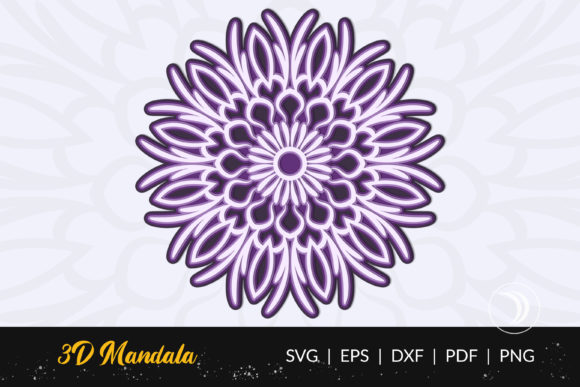
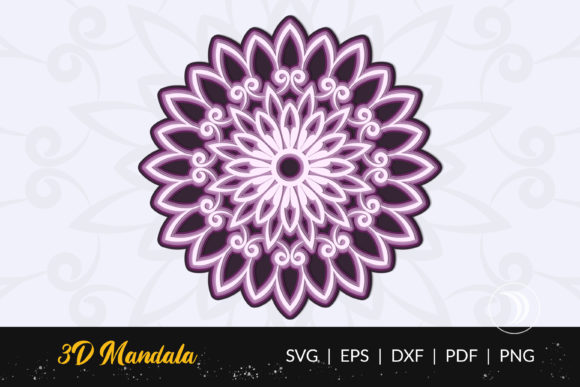
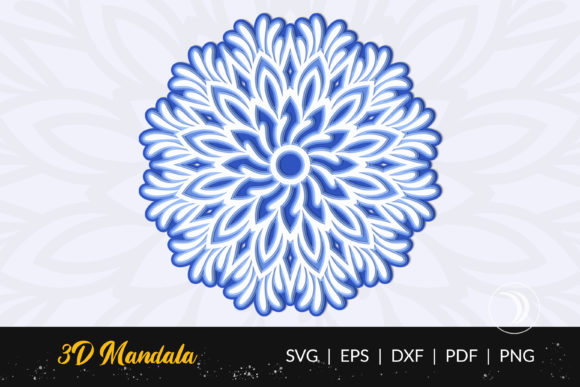
The appeal of this design lies in its complexity managed through simplicity. Visually, a mandala represents balance and harmony, but when broken down into four distinct layers, it becomes a puzzle of light and shadow. Each layer is precision-cut to nest perfectly within or atop the next. When assembled, the result is a stunning dimensional look that catches the eye from multiple angles. Unlike a printed image that relies on ink gradients to simulate depth, this method uses actual physical space between materials. Whether you are using cardstock, vinyl, or specialty paper, the interplay of colors between the layers creates a natural gradient effect that feels organic and high-end.
Unlocking Versatility Across Machines and Materials
One of the most practical strengths of the 3D Multilayer Mandala SVG Cut File is its universal compatibility. In a workshop environment, friction often comes from file formats that don't play nice with specific hardware. This asset eliminates that barrier. The package typically includes a comprehensive zip file containing SVG, EPS, DXF, PDF, and PNG formats. This breadth ensures that whether you are running a Cricut Maker, a Silhouette Cameo, or a professional-grade laser cutter, the files are ready to import without conversion errors.
For those who prefer digital workflows or need to send designs to a print vendor, the inclusion of high-resolution PNGs and PDFs is invaluable. You can visualize the final stack before committing to material costs. The separation of files—providing both a consolidated version with all layers and individual files for each specific tier—offers flexibility in production. If you are mass-producing these for a craft fair, you might cut all "Layer 1" pieces from one color of cardstock, then move to "Layer 2" in a contrasting shade. This assembly-line approach streamlines the workflow significantly compared to handling complex, unified vectors that require manual separation.
Beyond cutting machines, these files hold value for traditional printing applications. A marketer or publisher could utilize the individual layer PNGs to create mockups for social media graphics or packaging design. By digitally stacking the layers with drop shadows in software like Photoshop or Illustrator, you can simulate the 3D effect for web design or editorial layouts where physical depth isn't possible. This dual utility makes the asset a robust addition to any library of design assets, bridging the gap between physical crafting and digital branding.
Elevating Brand Perception Through Dimensional Design
In the realm of brand identity, texture often communicates quality faster than color does. A flat logo on a business card is standard; a multi-layered mandala embossed or die-cut into the cover of a luxury brochure commands attention. Utilizing a 3D Multilayer Mandala SVG Cut File allows entrepreneurs to inject a sense of craftsmanship into their physical collateral. It signals to the customer that time and care were invested in the product, which subconsciously elevates the perceived value of the brand itself.
Consider the application in packaging design. A cosmetic brand or a boutique confectionery could use these layered mandalas as decorative seals or box toppers. The four-layer structure provides enough density to cast subtle shadows, creating a tactile experience for the user. This kind of sensory engagement is crucial for audience retention. When a customer interacts with a package that has physical depth, they are more likely to remember the unboxing experience. It transforms a mundane transaction into a memorable event, fostering loyalty and encouraging social sharing.
Furthermore, the geometric nature of mandalas offers a neutral yet sophisticated aesthetic that adapts well to various industries. It doesn't scream "toy" or "childish" unless styled that way; instead, it can feel modern, spiritual, or architectural depending on the material choice. Using metallic cardstock can create a sleek, contemporary vibe suitable for tech accessories or high-end invitations. Conversely, using textured, recycled paper can evoke an eco-friendly, artisanal personality. This adaptability makes it a powerful tool for logo design elements or decorative motifs that need to scale across different brand touchpoints without losing their impact.
Practical Strategies for Assembly and Material Selection
Success with layered cut files depends heavily on material selection and adhesive strategy. Since this design consists of four layers, the cumulative thickness can become significant if heavy cardstock is used for every tier. A practical recommendation is to vary the weight of your materials. Use a sturdy 80lb or 100lb cardstock for the base layer to provide structural integrity, then step down to 65lb or even vellum for the upper layers. This technique reduces bulk while maintaining the visual definition of each ring in the mandala.
Adhesion is another critical factor. Liquid glues can warp thin paper and ruin the crisp edges that define the modern typography of geometric cuts. Instead, opt for double-sided adhesive sheets or precision glue dots. These methods keep the layers flush and prevent the "bubbling" that often occurs when moisture-based adhesives dry. For a truly floating effect, some creators use foam tape between specific layers, though with a four-tier mandala, standard flat adhesion usually yields the cleanest, most professional result.
Color theory also plays a pivotal role in the final outcome. While monochromatic schemes (using varying shades of a single hue) create a subtle, elegant gradient, high-contrast pairings can make the design pop. Imagine a deep navy base with electric blue, teal, and white top layers. The contrast defines the intricate cutouts, ensuring the pattern remains readable from a distance. When testing font pairings for accompanying text—perhaps for a wedding invitation or event poster—look for clean sans serif fonts or delicate script fonts that do not compete with the complexity of the mandala. The goal is balance; the mandala should be the hero, with typography serving as a supportive element.
Finally, always review the licensing terms included with your download. Most premium files like this allow for both personal and commercial use, enabling you to sell finished physical goods like ornaments, wall art, or greeting cards. However, reselling the digital file itself is almost universally prohibited. Understanding these boundaries protects your business and respects the creator's intellectual property. By treating these files as a foundational component of your creative process rather than just a quick download, you unlock their full potential to generate revenue and artistic satisfaction.