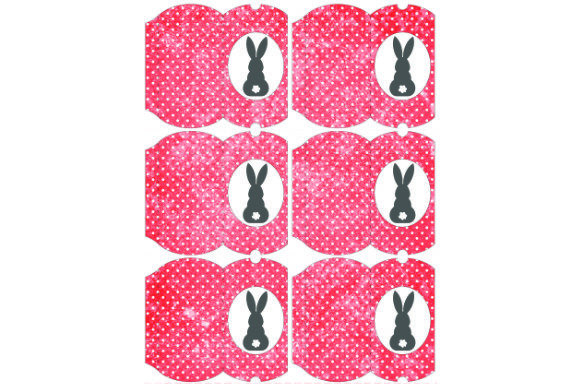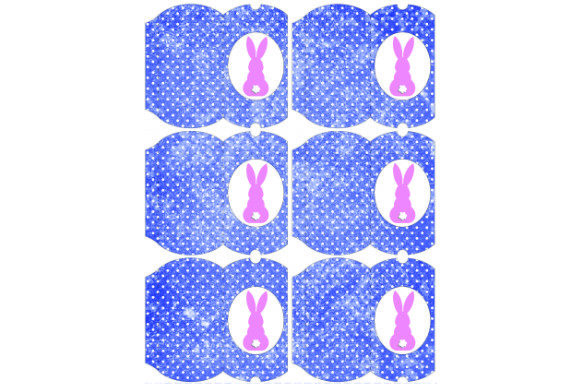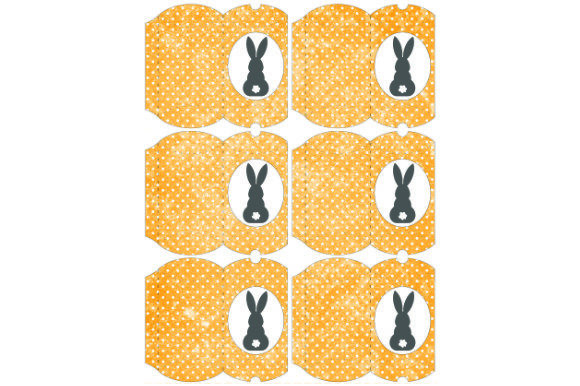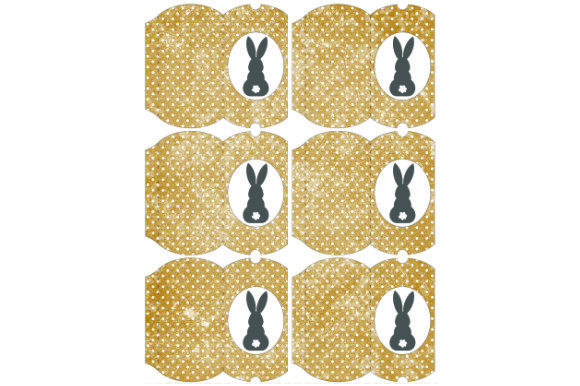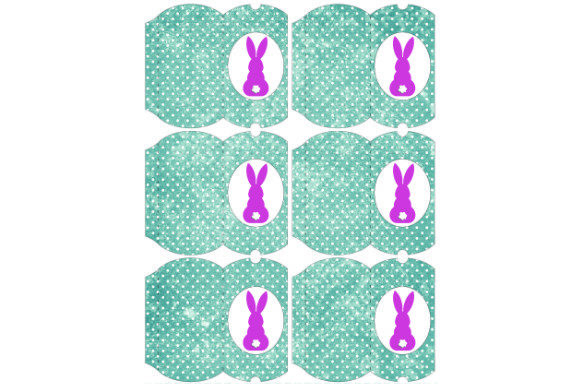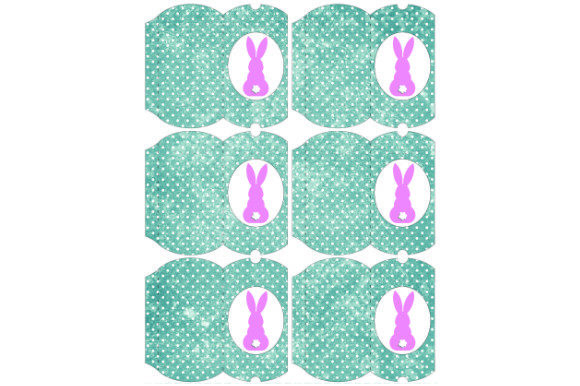
Elevate Branding with Pillow Boxes Bunny D.18.
In the competitive landscape of modern graphic design, the difference between a forgettable product and a memorable brand experience often lies in the details of physical touchpoints. While digital interfaces dominate our daily interactions, tangible packaging remains a powerful medium for storytelling and emotional connection. This is where resources like Pillow Boxes Bunny D.18. become essential assets for designers seeking to blend charm with functionality. These printable templates offer more than just a container; they provide a structured canvas for creative expression that enhances brand identity through thoughtful presentation.
From a professional design perspective, the value of such assets extends beyond their immediate utility as favor boxes or gift holders. They represent a critical component of holistic packaging design, where every fold, color choice, and texture contributes to the overall perception of quality. The specific dimensions of this set—approximately 7cm in outer edge length with a height of 1.8cm—make them ideal for small treats, confetti, or boutique merchandise. For a graphic designer, working with pre-engineered templates allows for a focus on surface decoration and visual hierarchy rather than structural engineering, streamlining the design workflow significantly.
Strategic Applications in Brand Identity
Integrating custom-printed elements into your client's strategy can transform standard promotional items into coveted collectibles. When utilizing a template like this, consider how the surface area can be leveraged to reinforce brand identity. The curved surfaces of a pillow box offer a unique challenge and opportunity for logo design placement and typographic experimentation. Unlike flat business cards, these boxes require a design that wraps seamlessly, ensuring that the visual narrative remains intact regardless of the viewing angle.
Practical applications for these creative assets are vast and versatile across various industries:
- Wedding and Event Branding: Perfect for bridal showers and weddings, these boxes can be customized with monograms or event-specific typography to serve as elegant confetti holders or candy favors.
- Retail Packaging: Small businesses can use them to package jewelry, artisanal soaps, or limited-edition candies, adding a premium unboxing experience.
- Marketing Campaigns: Use them as direct mail components or party favors at launch events to create a tactile connection with the audience.
- Seasonal Promotions: Adapt the color palette and imagery to match holidays, creating timely and relevant merchandise that drives engagement.
Optimizing Print Design for Professional Results
Executing a successful print project requires a keen understanding of technical constraints and material properties. When preparing files for production, especially with high-resolution assets like the 300 dpi JPEGs included in this set, attention to detail is paramount. Designers must account for the variability in colour printing quality caused by different monitor calibrations and printer types. A robust print design strategy involves selecting paper stocks that complement the ink density and ensure the structural integrity of the folded box.
Furthermore, the assembly process itself—cutting, folding, and gluing—should be considered part of the user experience. If these boxes are intended for end-user assembly, the design must include clear visual cues or instructions that align with the brand's aesthetic. Incorporating elements like ribbon, lace, or buttons can elevate the final product, but the base design must remain strong enough to support these additions without compromising the form. This balance between structural stability and modern aesthetics is what defines professional-grade packaging.
Ultimately, the goal of any design asset is to facilitate clear communication and evoke a desired emotional response. Whether used for a baby shower favor or a corporate gift, the effectiveness of the design relies on consistency and intentionality. By choosing high-quality templates and applying rigorous design principles regarding visual hierarchy and composition, creators can ensure that even the smallest package makes a significant impact. Thoughtful integration of such elements not only improves the immediate aesthetics but also strengthens the long-term relationship between the brand and its audience, proving that great design truly lies in the details.