Creative Gifting with Pillow Boxes Bunny C.6.: A Comprehensive Guide to DIY Party Favors
In the realm of event planning and personal gifting, the presentation of a small treat often holds as much weight as the gift itself. Whether organizing a large-scale wedding reception or preparing a classroom reward system for students, the vessel used to deliver candy or trinkets sets the tone for the recipient's experience. Among the myriad of packaging options available, printable paper solutions offer a unique blend of customization, cost-effectiveness, and creative freedom. Specifically, the Pillow Boxes Bunny C.6. design represents a versatile tool for creators, educators, and business owners looking to add a touch of whimsy to their occasions without the high costs associated with pre-manufactured luxury packaging.
This article explores the practical applications, assembly workflows, and strategic advantages of utilizing this specific set of six tiny printable pillow boxes. By understanding the nuances of paper crafting and the specific dimensions of these units, users can maximize their utility across various scenarios ranging from bridal showers to retail product sampling.
Understanding the Design and Specifications
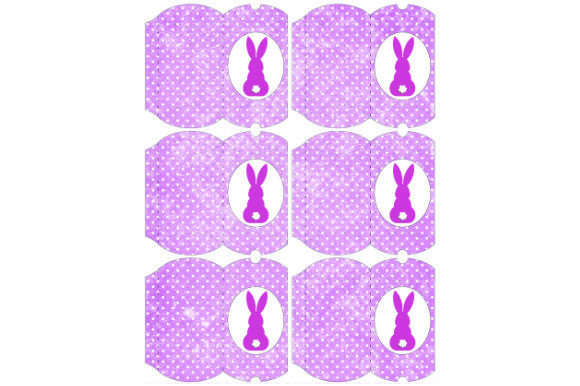
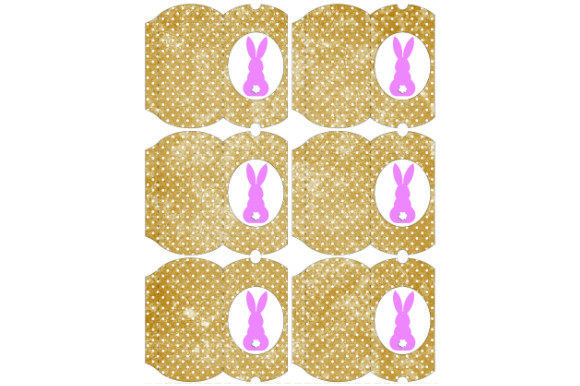
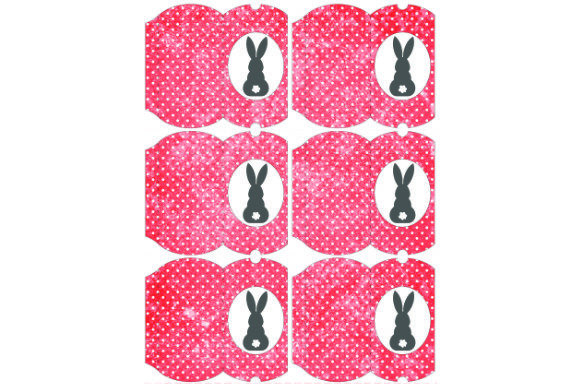
The foundation of any successful craft project lies in understanding the materials and specifications at hand. The Pillow Boxes Bunny C.6. set is designed with precision to ensure structural integrity despite its miniature scale. Each box in the set of six is engineered to hold small items securely while maintaining an aesthetically pleasing profile. The approximate size of a fully assembled box features an outer edge length of 7cm, a center length of 5.5cm, a breadth of 4.5cm, and a height of 1.8cm. These compact dimensions make them ideal for single-serving treats, such as chocolates, mints, or small jewelry items like earrings or rings.
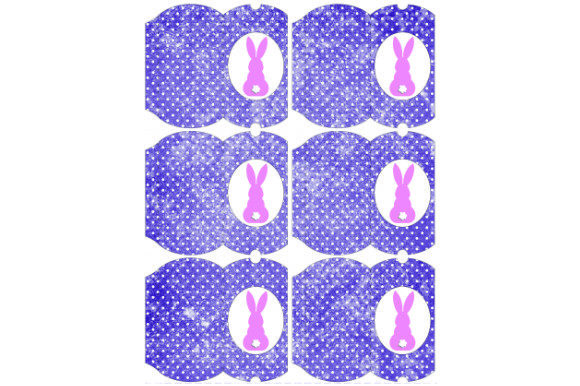
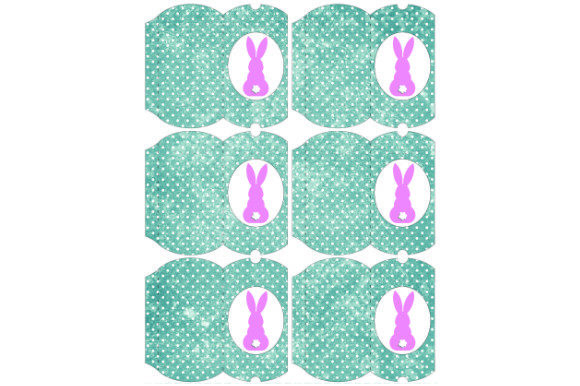
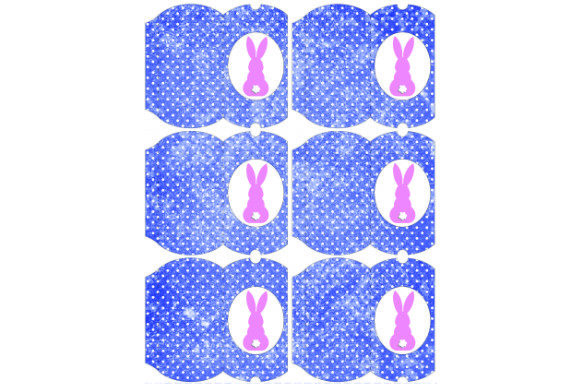
The design file is provided as a high-resolution JPEG at 300 DPI (dots per inch). This resolution is critical for professional-grade output, ensuring that when printed, the lines remain crisp and the colors do not appear pixelated. The "Bunny" motif suggests a thematic alignment with spring celebrations, Easter events, or baby showers, yet the neutral pillow shape allows it to be adapted for nearly any occasion through decoration. Users must be aware that color printing quality can vary significantly based on hardware. Differences in monitor calibration versus printer ink output mean the final physical product may differ slightly from the digital preview. Consequently, testing a single print run on the intended paper stock is a recommended best practice before committing to a large batch.
Material Selection and Print Quality Considerations
To achieve the best results with the Pillow Boxes Bunny C.6., the choice of paper is paramount. While standard copy paper (approx. 80gsm) is accessible, it often lacks the rigidity required to hold the pillow shape effectively, especially when filled with heavier candies. For optimal performance, cardstock ranging between 160gsm and 200gsm is advisable. This weight provides enough stiffness to maintain the curved "pillow" structure without being so thick that folding along the score lines becomes difficult or causes the paper to crack.
Furthermore, the finish of the paper influences the final look. A matte finish tends to absorb ink differently than a glossy or semi-gloss photo paper. If the design relies on vibrant colors, a coated paper might enhance the visual appeal, but it may require adjustments to printer settings to prevent smudging. Conversely, uncoated cardstock offers a more natural, tactile feel that pairs well with rustic themes involving twine or kraft paper aesthetics. Educators and hobbyists should note that laser printers generally handle cardstock better than inkjet printers regarding moisture resistance, which is a factor if the boxes will be handled frequently or exposed to humid environments.
Step-by-Step Assembly Workflow
The transition from a flat digital file to a three-dimensional object involves a straightforward but precise workflow. The process begins with printing the JPEG file. Once printed, the user must carefully cut along the outer perimeter of each box template. Precision here ensures that the edges align perfectly during the folding stage. Using a sharp pair of scissors or a craft knife with a cutting mat yields the cleanest edges.
Following the cutting phase, the folding process defines the box's geometry. The templates include pre-marked lines indicating where folds should occur. It is highly effective to use a bone folder or the back of a butter knife to score these lines lightly before folding. Scoring compresses the paper fibers, allowing for a sharp, professional crease rather than a rounded, amateur bend. The sides and bottom are then brought together and secured using glue. A fine-tip glue stick or liquid craft adhesive applied sparingly prevents excess moisture from warping the paper.
The top of the Pillow Boxes Bunny C.6. is intentionally left open in the base design. This feature offers flexibility; the box can be sealed with a small piece of tape, a sticker, or left open for easy access if used as a display container. For a polished finish, many creators choose to punch small holes in the top flaps and thread ribbon or lace through them, tying a bow to secure the contents. This not only closes the box but adds a decorative element that enhances the perceived value of the gift.
Decoration and Customization Strategies
One of the primary advantages of using printable templates like the Pillow Boxes Bunny C.6. is the blank canvas they provide for further customization. While the printed bunny design offers a charming baseline, the boxes can be embellished to match specific color schemes or themes. Adding buttons, artificial flowers, or hand-written tags transforms a mass-produced look into a bespoke creation.
For business owners using these boxes for product packaging, branding opportunities abound. A custom stamp with a logo can be applied to the side of the box before assembly, or a branded sticker can serve as the closure mechanism. Wedding planners might attach a small tag with the couple's initials and the wedding date, turning the box into a lasting keepsake. The small size of the box means that even inexpensive embellishments, such as a snippet of lace or a single pearl bead, can have a significant visual impact due to the scale.
Diverse Applications Across Industries and Events
The versatility of these tiny pillow boxes extends far beyond simple candy distribution. Their utility spans multiple sectors, providing practical solutions for various needs.
- Weddings and Bridal Showers: In the context of weddings, these boxes serve as excellent confetti holders for the ceremony exit or favor boxes for guests. Filled with almonds (a traditional wedding favor) or chocolate coins, they act as a token of appreciation. The bunny theme is particularly suitable for spring weddings or events with a garden motif.
- Baby Showers and Children's Parties: The cute aesthetic aligns perfectly with baby showers. They can be filled with small toys, pacifiers, or themed candies. For children's birthday parties, they function as activity containers, holding crayons, stickers, or small puzzles, keeping young guests entertained.
- Educational Settings: Teachers can utilize these boxes as reward systems. Filling them with stickers or healthy snacks creates a tangible incentive for students. The assembly process itself can also be incorporated into arts and crafts curriculums, teaching students about geometry, fine motor skills, and following instructions.
- Retail and Small Business: Artisans selling handmade jewelry, soaps, or baked goods can use these boxes as eco-friendly, low-cost packaging for sample sizes or low-price-point items. The ability to print on demand reduces inventory waste compared to ordering thousands of pre-made boxes.
Economic and Environmental Considerations
From an economic perspective, producing your own packaging via printable files like Pillow Boxes Bunny C.6. offers significant savings. Pre-made favor boxes often carry a premium price tag due to manufacturing, shipping, and storage costs. By printing locally, users pay primarily for the raw materials—paper and ink—which are substantially cheaper per unit. This cost efficiency is crucial for non-profit organizations, schools operating on tight budgets, or couples managing wedding expenses.
Environmentally, this approach can be more sustainable if managed correctly. Users have control over the source of their paper, allowing them to choose recycled cardstock or FSC-certified products. Furthermore, printing only the exact number of boxes needed eliminates the waste associated with bulk purchasing where leftovers often end up in landfills. However, it is important to consider the energy consumption of home printing versus industrial manufacturing. For very large quantities, the carbon footprint of individual inkjet prints may exceed that of efficient industrial offset printing. Therefore, this method is most environmentally sound for small to medium-scale projects where precision and lack of waste outweigh the efficiencies of scale.
Troubleshooting Common Challenges
While the process is generally user-friendly, certain challenges may arise. A common issue is the box failing to hold its shape. This is usually attributable to using paper that is too light in weight. If the box collapses under the weight of the contents, switching to a heavier cardstock or reinforcing the folds with an extra layer of glue typically resolves the issue. Another frequent concern is color discrepancy. As noted in the product description, monitor and printer calibrations differ. If the printed bunny appears too dark or washed out, adjusting the printer's color management settings or utilizing specific ICC profiles for the paper type can mitigate these variations.
Cutting accuracy is also vital. Irregular cuts can lead to gaps when the box is glued shut. Using a metal ruler and a rotary cutter instead of scissors can improve straight-line accuracy, while careful hand-work is necessary for the curved edges of the pillow shape. Patience during the drying phase of the glue is essential; attempting to fill the box before the adhesive has fully set can cause the seams to burst open.
Maximizing Value Through Strategic Planning
To get the most out of the Pillow Boxes Bunny C.6. set, strategic planning is key. For large events, creating an assembly line process can drastically reduce production time. One person cuts, another scores and folds, and a third glues and decorates. This division of labor turns a potentially tedious task into a social activity, perfect for bridal shower preparations or community group projects.
Additionally, considering the contents beforehand ensures the box serves its purpose effectively. Since the internal volume is limited by the 1.8cm height, selecting fillers that fit snugly without requiring excessive force is important. Loose items like sprinkles or rice should be contained in small cellophane bags before being placed inside the paper box to prevent leakage. For solid items like cookies or chocolates, ensuring they are not too tall prevents the lid from bulging awkwardly.
In conclusion, the integration of printable designs like the Pillow Boxes Bunny C.6. into gifting and packaging strategies offers a harmonious balance of creativity, economy, and functionality. By mastering the technical aspects of printing and assembly, and leveraging the diverse applications available, users can elevate simple gestures into memorable experiences. Whether for a professional business seeking unique branding or a parent organizing a child's party, these tiny boxes prove that great things indeed come in small packages.