Mastering the V Logo: A Guide to Modern Brand Identity
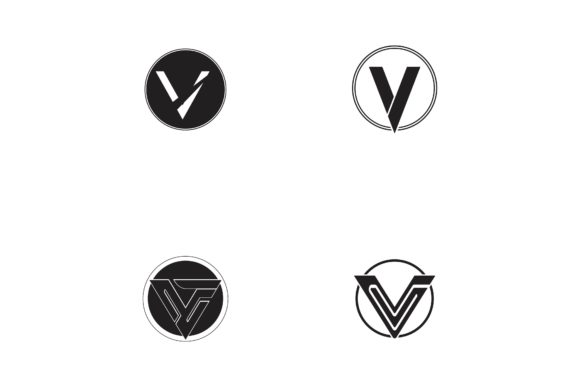
The letter "V" holds a unique position in the alphabet of design. It is sharp, dynamic, and inherently directional, making it a favorite for brands looking to project movement, victory, or stability. Whether you are launching a tech startup, rebranding a fashion boutique, or creating a personal monogram, understanding the nuances of a V logo can transform how your audience perceives your identity. This isn't just about picking a font; it's about leveraging geometry, negative space, and psychology to create a mark that resonates.
In the crowded landscape of modern business, a well-crafted symbol acts as a visual shorthand for your values. The versatility of the V shape allows it to morph into arrows, shields, wings, or abstract checks, offering endless creative possibilities without losing its core recognition. Let's dive into why this specific character works so well and how you can implement it effectively across various mediums.
The Psychology and Geometry of the Letter V
At its core, the V is a study in balance and tension. Unlike the closed loops of an "O" or the rigid structure of an "H," the V is open at the top and grounded at the bottom (or vice versa). This creates a natural flow for the eye. When designers work with a V letter logo, they often exploit this directional quality. Pointing upward, the shape suggests growth, ambition, and ascension—ideal for finance, education, or career coaching firms. Pointing downward, it can imply precision, focus, or a funneling of resources, which works beautifully for logistics or data management companies.
One of the strongest assets of this character is its adaptability to negative space. Because the letter consists of two converging lines, the space between them becomes as important as the lines themselves. Clever designers use this gap to hide secondary meanings—a bird in flight, a mountain peak, or a checkmark indicating success. This layer of discovery engages the viewer, turning a simple graphic into a memorable conversation starter. It adds depth to what might otherwise be a flat, one-dimensional icon.
Key Characteristics of Effective V Designs
Not all V logos are created equal. The most successful iterations share specific traits that ensure longevity and usability:
- Scalability: A great vector design must look crisp on a massive billboard and remain legible as a tiny favicon on a browser tab. Simple, geometric lines usually fare better here than overly intricate brush strokes.
- Versatility: The mark should function in full color, black and white, and reversed out of dark backgrounds. If your logo relies on a specific gradient to make sense, it may lack the structural integrity needed for long-term branding.
- Distinctiveness: While the letter is common, the execution should be unique. Avoid generic clip-art styles. Instead, focus on custom typography or unusual combinations of shapes that set your brand apart from competitors.
- Timelessness: Trends like heavy bevels or excessive shadows come and go. A clean, minimalist approach often ensures your logo remains relevant decades from now.
Practical Applications Across Industries
The utility of a V-shaped identity extends far beyond corporate letterheads. Its abstract nature allows it to fit seamlessly into diverse sectors, each interpreting the shape through a different lens.
In the technology and digital sector, the V is frequently stylized with sharp angles and neon gradients to suggest innovation and speed. Think of circuit board pathways or data streams converging. For luxury and fashion brands, the approach shifts toward elegance. Here, you might see a V rendered in thin, gold serif lines, perhaps intertwined with another letter to form a sophisticated monogram. The focus is on refinement and exclusivity rather than speed.
The health and wellness industry often utilizes the V to represent vitality or a checkmark for approval and safety. A soft, rounded V can feel welcoming and organic, suitable for a yoga studio or a nutrition blog, whereas a rigid, shield-like V conveys trust and protection, ideal for insurance or security firms. Even in education, the upward-pointing arrow motif serves as a powerful metaphor for learning and improvement.
Implementation Strategies for Maximum Impact
Once you have selected or designed your V logo, the real work begins with implementation. Consistency is key to building brand equity. Your logo should not just sit on your website header; it needs to live across every touchpoint.
- Digital Presence: Ensure your vector files are optimized for web use. SVG formats are excellent for maintaining quality across different screen resolutions. Consider how the logo interacts with your app icon; sometimes a simplified version of the V works better in a square crop than the full logotype.
- Print Materials: From business cards to large banners, pay attention to clear space. Give your logo room to breathe. Crowding it with text or other graphics diminishes its impact. For premium feels, consider embossing or foil stamping the V on physical materials like invitations or packaging.
- Social Media: Use the icon version of your logo for profile pictures where space is limited. Maintain a consistent color palette in your posts that complements the logo's hues, reinforcing brand recognition every time a user scrolls past your content.
Selecting the Right Style for Your Brand
Choosing the right aesthetic for your V logo requires introspection about your brand's personality. Are you disruptive and bold? A thick, sans-serif V with a vibrant gradient might be the answer. Are you traditional and reliable? A classic serif font with a subtle emblem border could be more appropriate.
Consider the typography carefully. If your V is part of a wordmark, the accompanying letters must harmonize with its weight and style. A mismatched font can make the entire logo feel disjointed. If you are using a standalone symbol, ensure it doesn't look like a random shape; it should clearly evoke the letter V while standing on its own as an artistic element.
Color plays a pivotal role as well. Blue often communicates trust and professionalism, making it a staple for corporate entities. Green suggests growth and eco-friendliness, perfect for sustainable ventures. Gold and black remain the go-to combination for high-end luxury. However, don't be afraid to experiment. A unexpected pop of purple or orange can make a brand feel fresh and innovative in a sea of monotone competitors.
Final Thoughts on Building a Lasting Identity
A V logo is more than just a graphic; it is the anchor of your visual identity. When executed with thought and precision, it bridges the gap between your company's mission and your audience's perception. Whether you opt for a minimalist line art approach or a complex 3D render, the goal remains the same: to create a mark that is instantly recognizable and deeply meaningful.
Remember that branding is a journey, not a one-time event. As your business evolves, your application of the logo may shift, but the core symbol should remain a constant beacon of your values. By focusing on clean design principles, understanding the psychological weight of the shape, and applying it consistently across all platforms, you set the stage for enduring success. The right V doesn't just label your business; it elevates it.